The History of Our Aircraft
From Gipsy Moth to Tiger Moth
The Tiger Moth was the mature military trainer produced from de Havilland’s highly successful Moth family. The line began with the DH.60 Cirrus Moth in 1925. When de Havilland adopted its own Gipsy engine, the DH.60 became widely known as the Gipsy Moth. The type helped popularise private and club flying and established the light, forgiving biplane formula from which the later trainer evolved.
In 1931 de Havilland redesigned the Gipsy Moth concept to meet an Air Ministry requirement for an RAF trainer. A key change concerned access to the front cockpit, which was the instructor’s position: the upper mainplane was moved forward to give the instructor sufficient room to board and, if necessary, abandon the aeroplane more easily while wearing a parachute. Moving the upper mainplane forward altered the aircraft’s balance, so the mainplanes were swept back to restore the correct centre of gravity. These characteristic swept wings became one of the Tiger Moth’s most recognisable features. The resulting DH.82 Tiger Moth first flew on 26 October 1931 and soon entered RAF service. The later DH.82A/Tiger Moth II incorporated the Gipsy Major engine and refinements that became standard for wartime training.
Development at a glance
| DH.60 Cirrus Moth | First flew in 1925; foundation of the Moth family. |
| Gipsy Moth | DH.60 variants powered by de Havilland’s Gipsy engine; a major civil-flying success. |
| DH.82 Tiger Moth | First flight 26 October 1931; redesigned to meet RAF training requirements. |
| DH.82A Tiger Moth II | Principal wartime version with Gipsy Major powerplant; became the RAF’s classic elementary trainer. |
| Wartime role | Used on a huge scale for elementary pilot training; more than 8,800 Tiger Moths were eventually built in all forms. |
G-ANON / RAF T7909
G-ANON is a de Havilland DH.82A Tiger Moth II, construction number 84270, built for RAF service with the military serial T7909. Production records link c/n 84270 directly with T7909 and later civil registration G-ANON.
A secondary serial/unit compilation associates T7909 with No. 666 Squadron RAF. That unit’s principal operational aircraft was the Auster, so the safest interpretation is that any Tiger Moth use was subsidiary – for example liaison, communications, continuation flying or training – unless an aircraft movement card, squadron ORB or pilot logbook proves more.
G-ANON Key Facts
| Type | de Havilland DH.82A Tiger Moth II |
| Construction number | 84270 |
| RAF serial | T7909 |
| Civil registration | G-ANON |
| Known later history | Post-war civil flying, preservation and rally activity; now associated with Sherburn and Tiger Moth heritage flying. |
| Earliest exact photograph located in our research | 18 May 1957, Birmingham/Elmdon, with Warwickshire Aero Club. |
G-BAFG / RAF EM778
G-BAFG is another genuine wartime Tiger Moth airframe, but with a very different post-war story. Production data identifies construction number 85995 as RAF serial EM778. The same record traces the aircraft through French Air Force service, French civil registration F-BGEL and finally British registration G-BAFG.
Its history is valuable for passenger commentary because it illustrates how wartime training aircraft often had long international careers after 1945. Rather than representing a single unit story, G-BAFG represents the wider dispersal and survival of the Tiger Moth type across military and civilian aviation.
G-BAFG Key Facts
| Type | de Havilland DH.82A Tiger Moth II |
| Construction number | 85995 |
| RAF serial | EM778 |
| Manufacturer | Morris Motors Ltd, Cowley |
| Year | 1942 according to AAIB-derived research; some secondary accounts give 1943. |
| French identity | French Air Force; later F-BGEL. |
| UK registration | G-BAFG from 2 January 1973 |
Tiger Moth Gallery
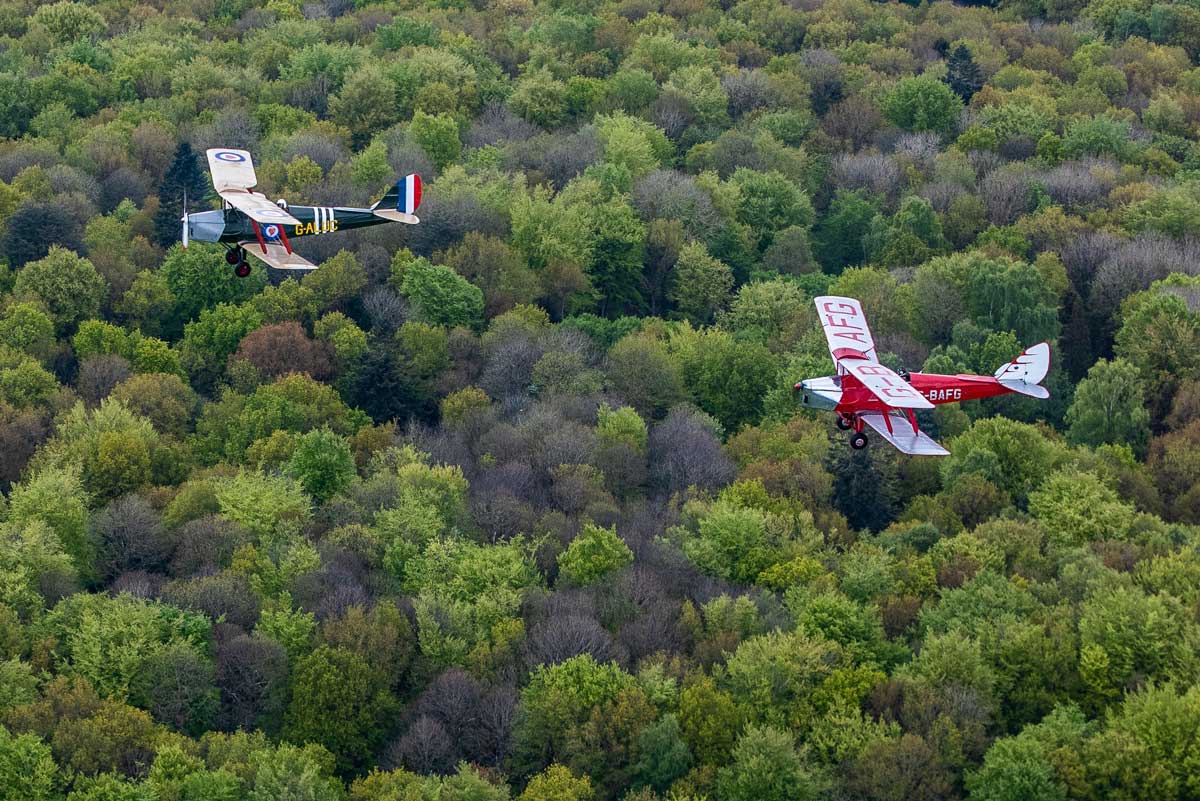
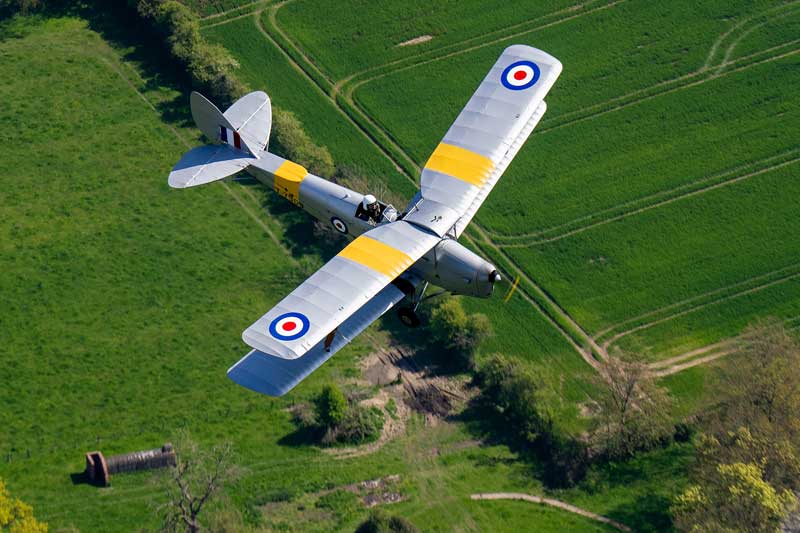
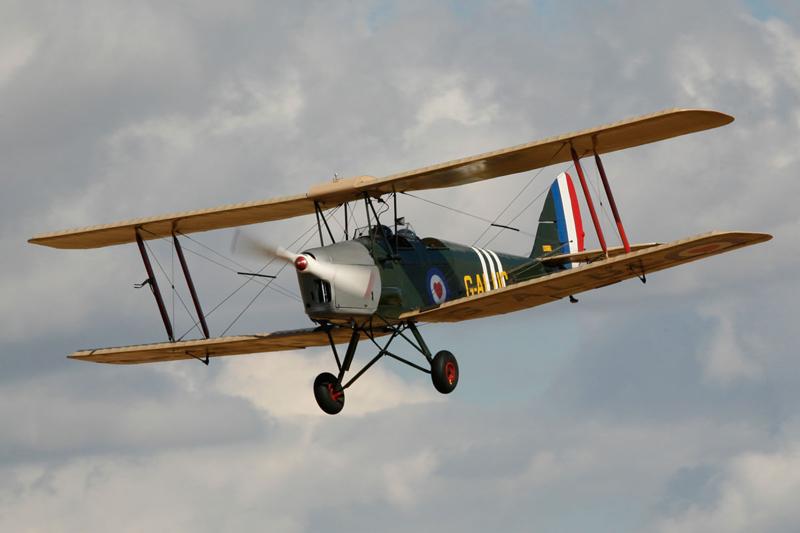
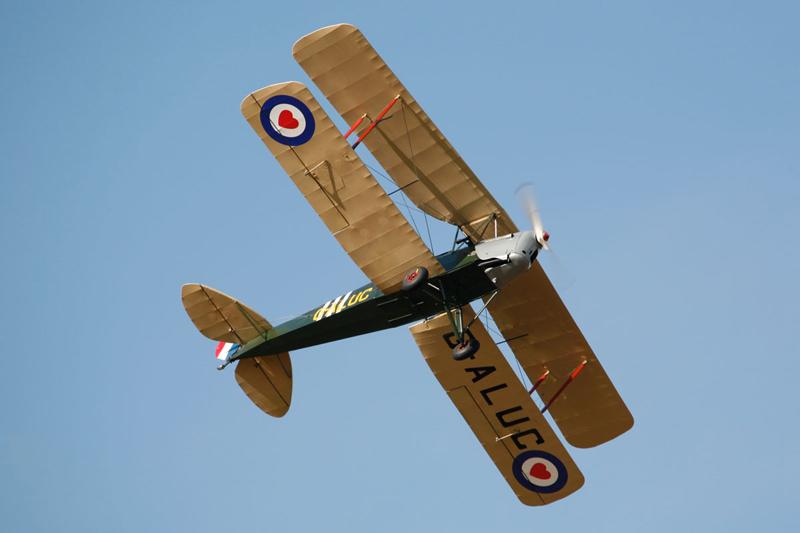
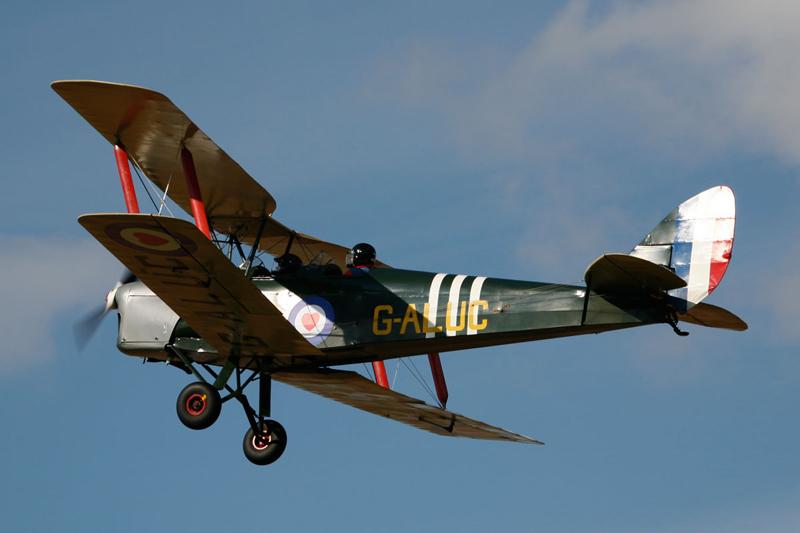
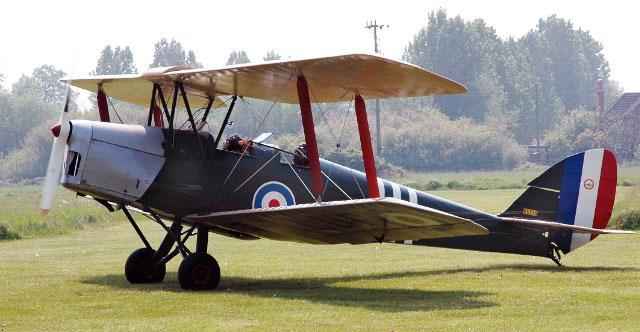
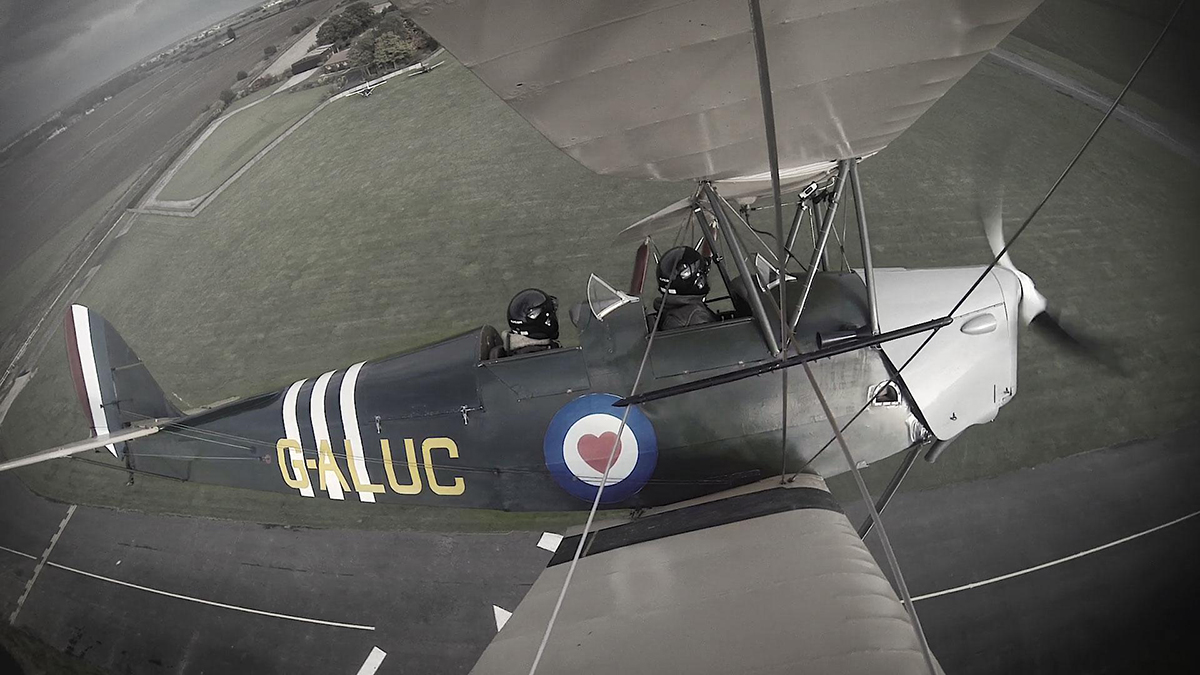
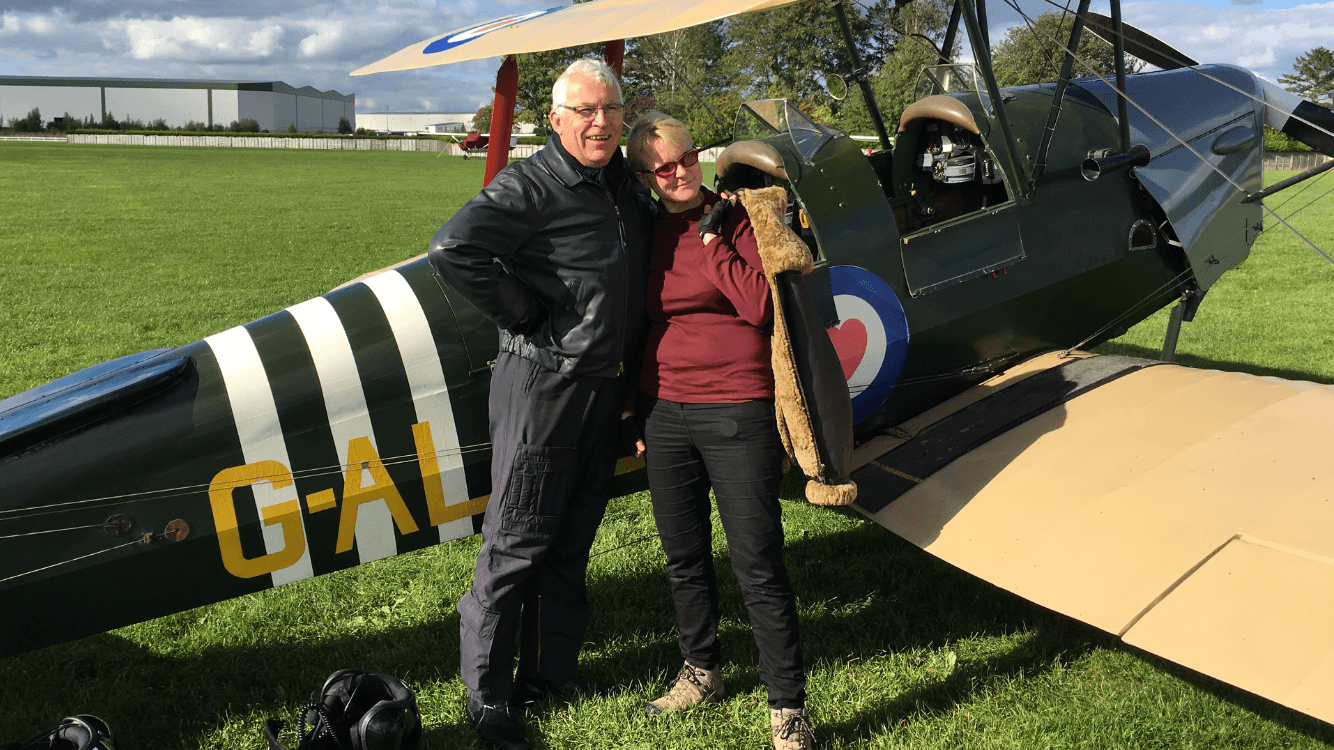
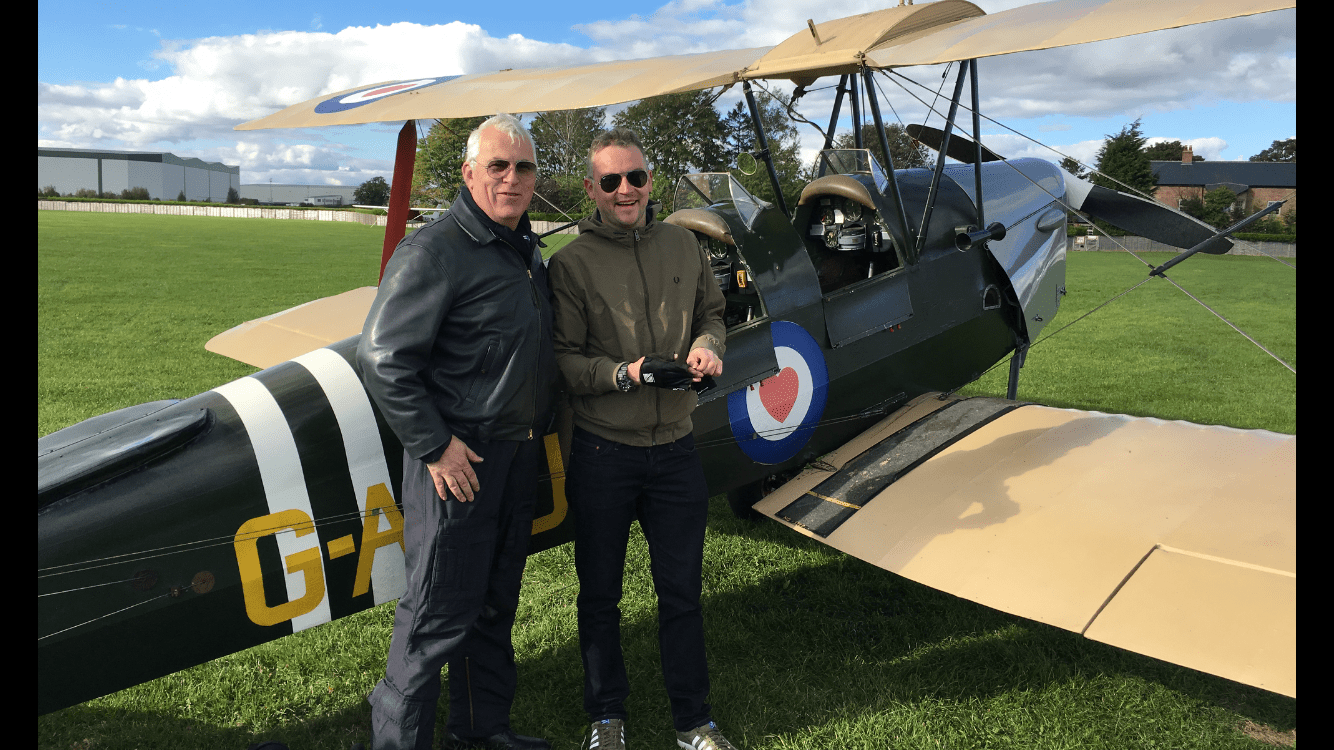
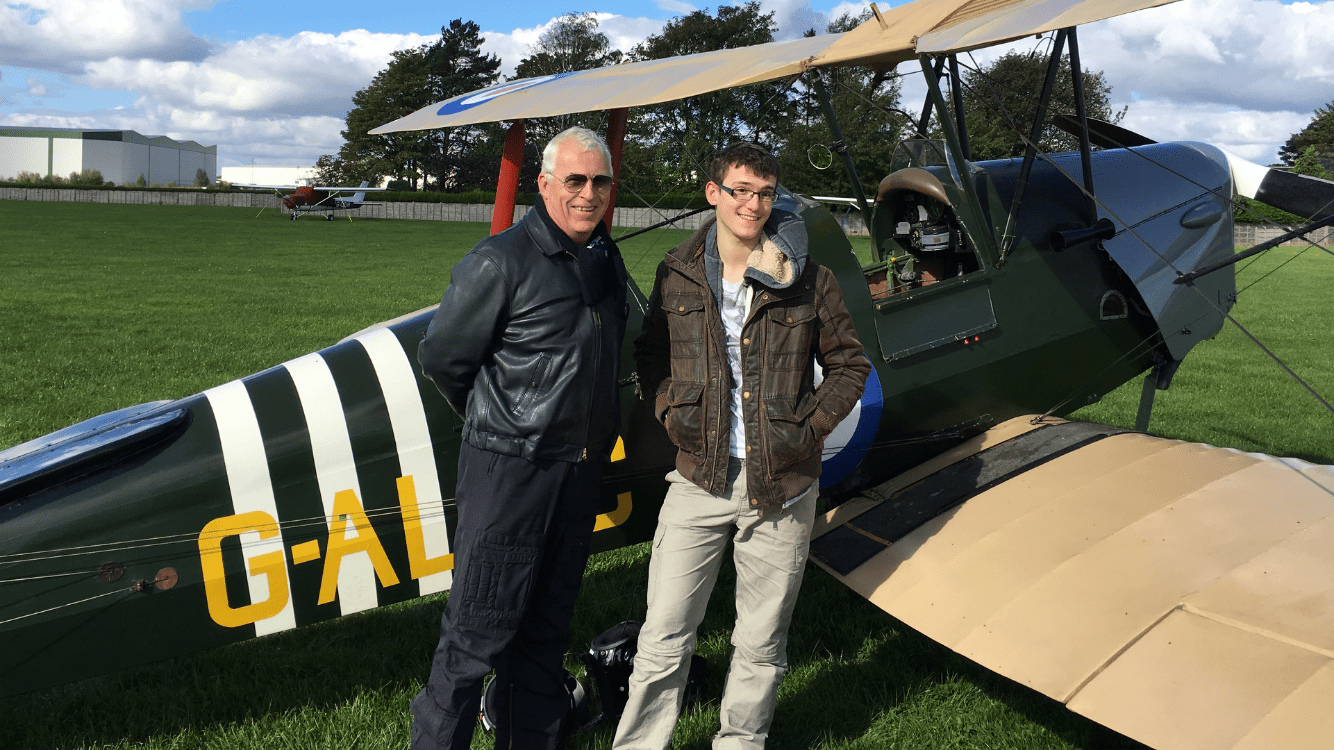
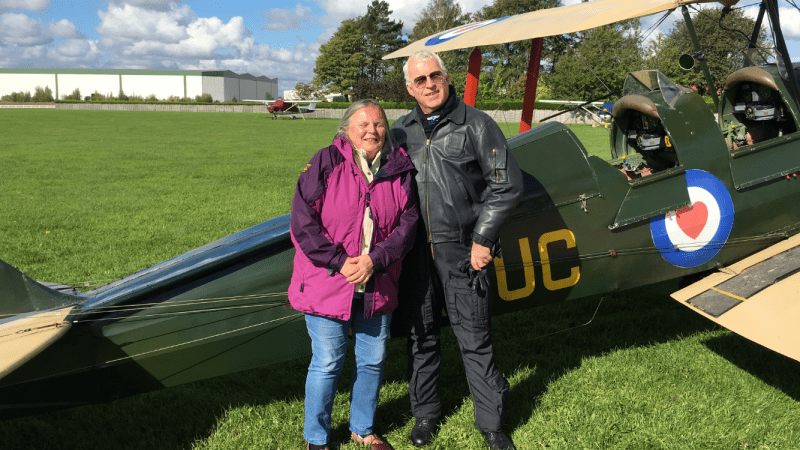
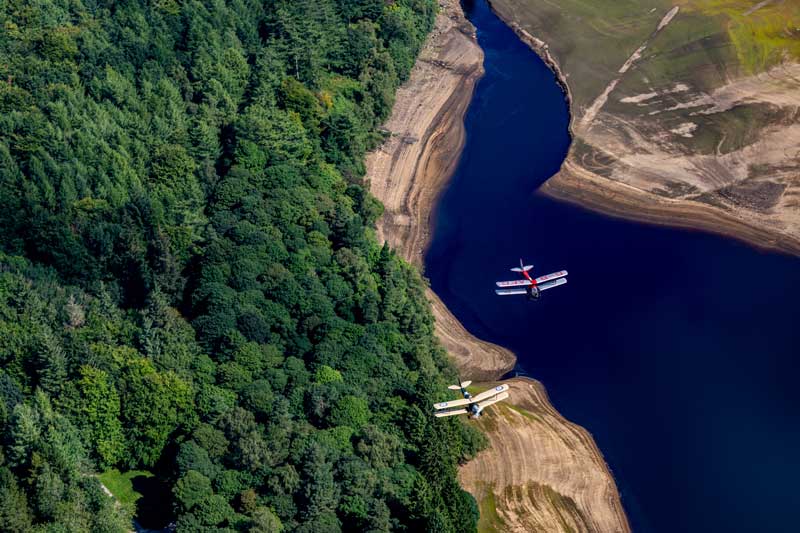
Below is a selection of photos taken during our flight experience days. Click on an image to view a larger version in full colour.
You’ll find a gallery of Tiger Moth related moving pictures by clicking here.