Yorkshire Heritage Flight Experience
£699 (pay on the day of your flight)
60 Minute Flight
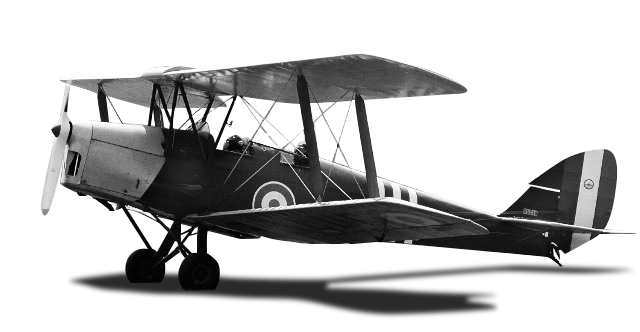
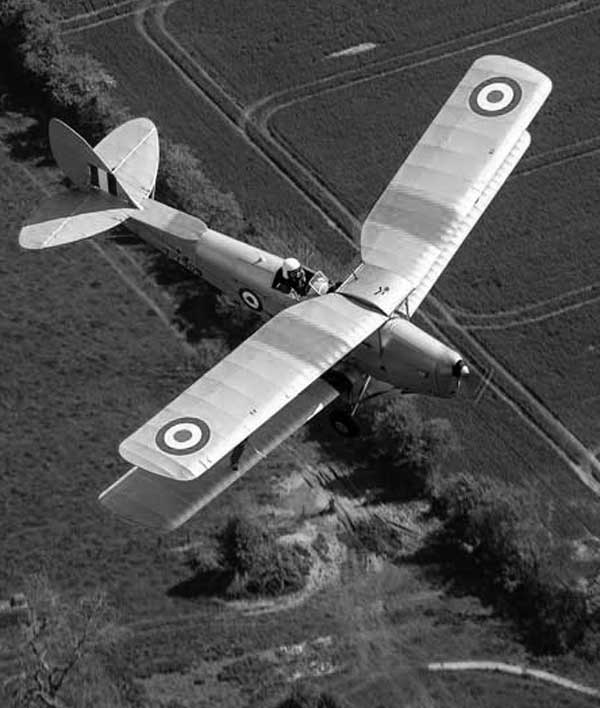
The Tiger Moth was the mature military trainer produced from de Havilland’s highly successful Moth family. The line began with the DH.60 Cirrus Moth in 1925. When de Havilland adopted its own Gipsy engine, the DH.60 became widely known as the Gipsy Moth. The type helped popularise private and club flying and established the light, forgiving biplane formula from which the later trainer evolved.
In 1931 de Havilland redesigned the Gipsy Moth concept to meet an Air Ministry requirement for an RAF trainer. A key change concerned access to the front cockpit, which was the instructor’s position: the upper mainplane was moved forward to give the instructor sufficient room to board and, if necessary, abandon the aeroplane more easily while wearing a parachute. Moving the upper mainplane forward altered the aircraft’s balance, so the mainplanes were swept back to restore the correct centre of gravity. These characteristic swept wings became one of the Tiger Moth’s most recognisable features. The resulting DH.82 Tiger Moth first flew on 26 October 1931 and soon entered RAF service. The later DH.82A/Tiger Moth II incorporated the Gipsy Major engine and refinements that became standard for wartime training.
Famous Yorkshire Landmarks
Below are some of Yorkshire’s most historic sites that you can choose to fly over. You choose your route with the pilot as part of your pre-flight briefing, taking into account the weather, controlled air space restrictions, and the sites that you would most like to visit. Click here to book your flight experience.
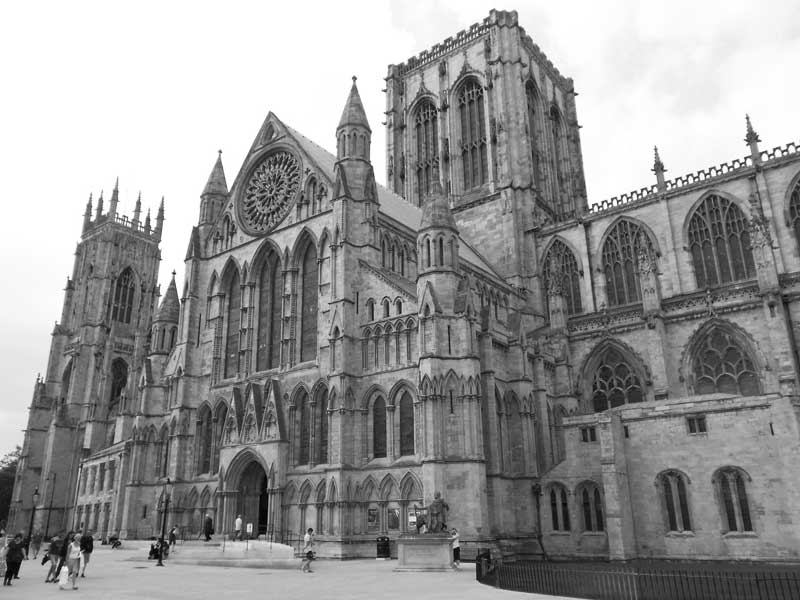
York and York Minster
York combines Roman Eboracum, Viking Jorvik and the medieval walled city. York Minster is one of Europe’s great Gothic cathedrals and is the dominant visual landmark of the historic centre.
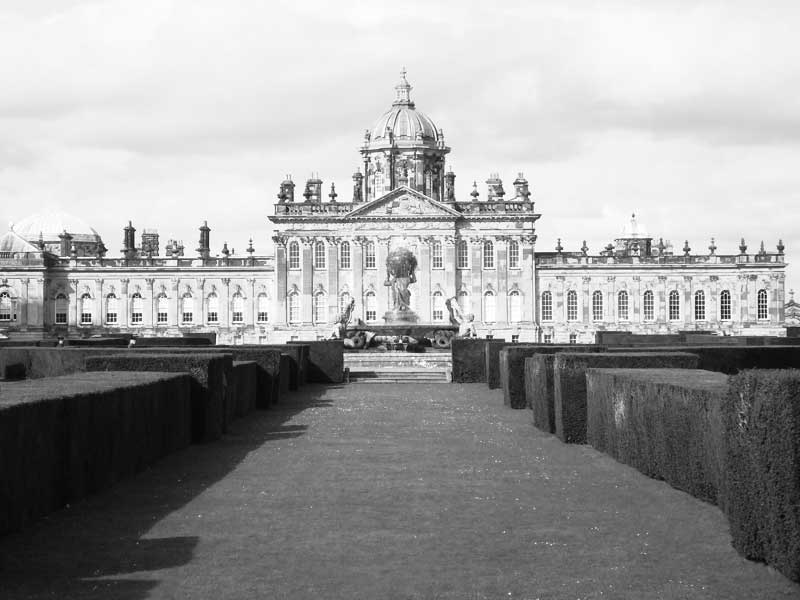
Castle Howard
Building began in 1699 for the 3rd Earl of Carlisle to designs by John Vanbrugh, assisted by Nicholas Hawksmoor. Its dome, formal approaches, lakes and designed landscape make it especially impressive from the air.
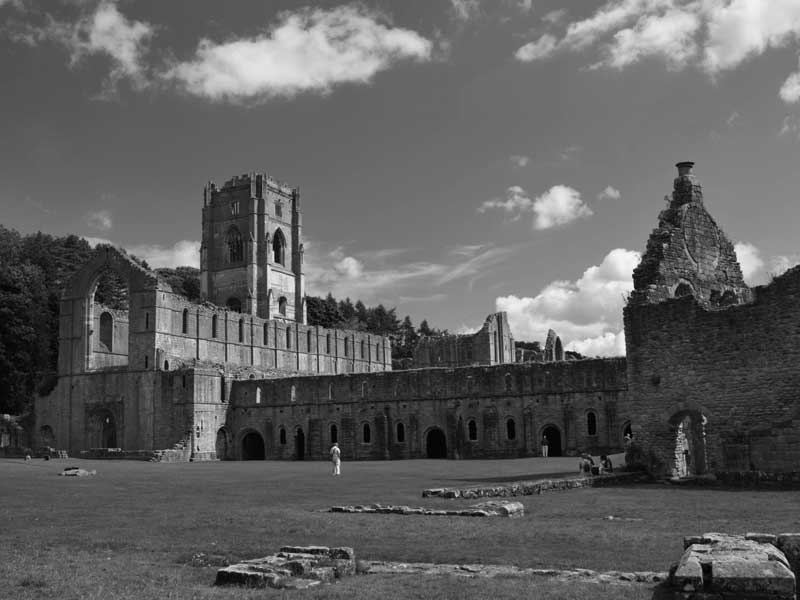
Fountains Abbey & Studley Royal
Fountains Abbey was founded in 1132 and became one of the richest Cistercian houses in northern England before the Dissolution in 1539. In the 18th century its ruins were incorporated into the Studley Royal water garden; the combined landscape is a UNESCO World Heritage Site.
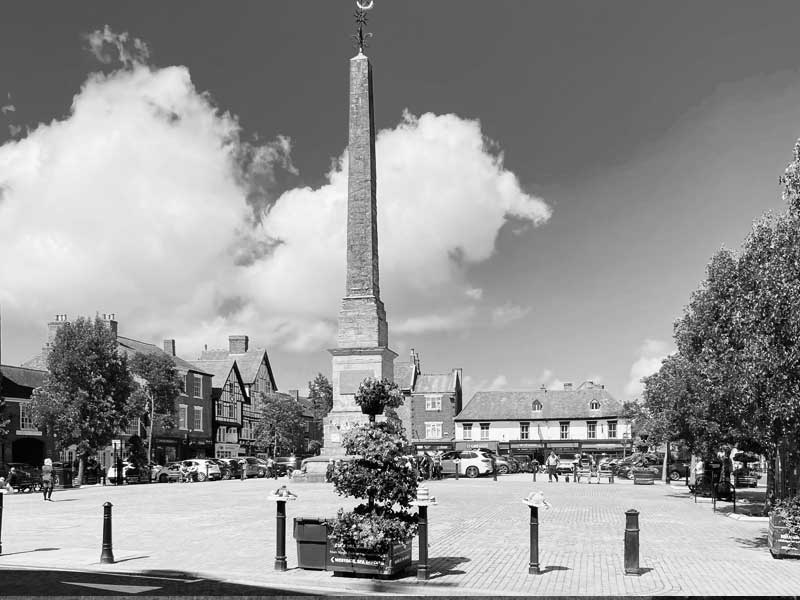
Ripon
An ancient cathedral city whose religious history is associated with St Wilfrid and the early medieval church. Its compact centre and cathedral make it a useful northern heritage landmark.
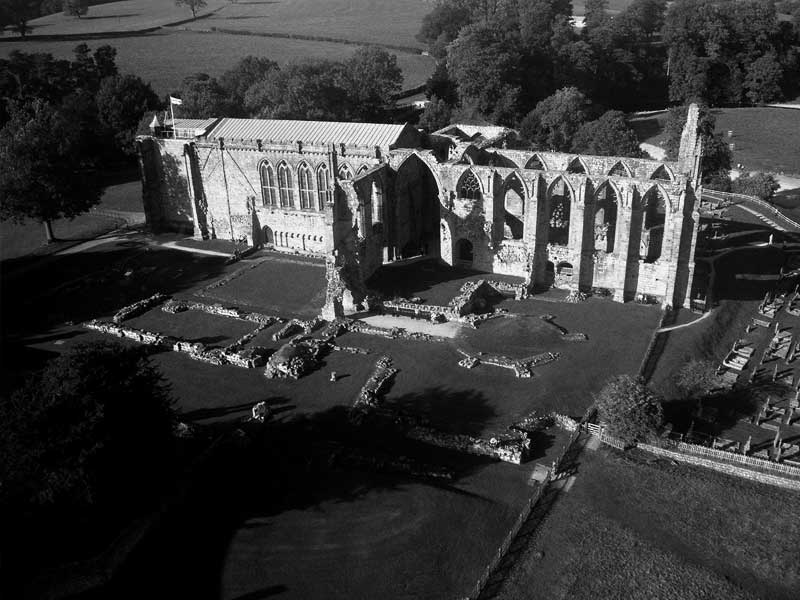
Bolton Abbey
The ruins of the Augustinian priory sit beside the River Wharfe in one of the most attractive parts of Wharfedale. The setting, river, woods and surrounding estate make it as much a landscape story as a monastic one.
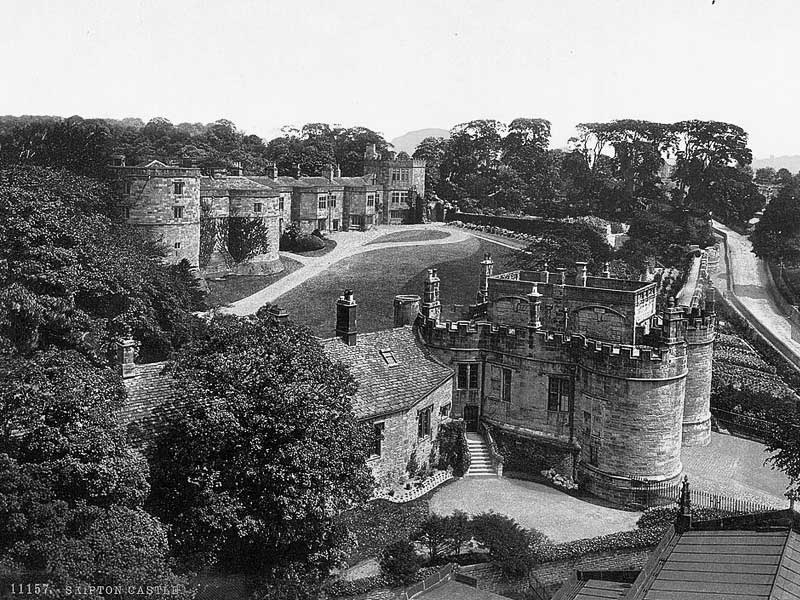
Skipton and Skipton Castle
A Norman stronghold was established soon after 1090; the castle was later heavily fortified by the Clifford family and became the last major Royalist stronghold in the north to surrender in the Civil War, in 1645.
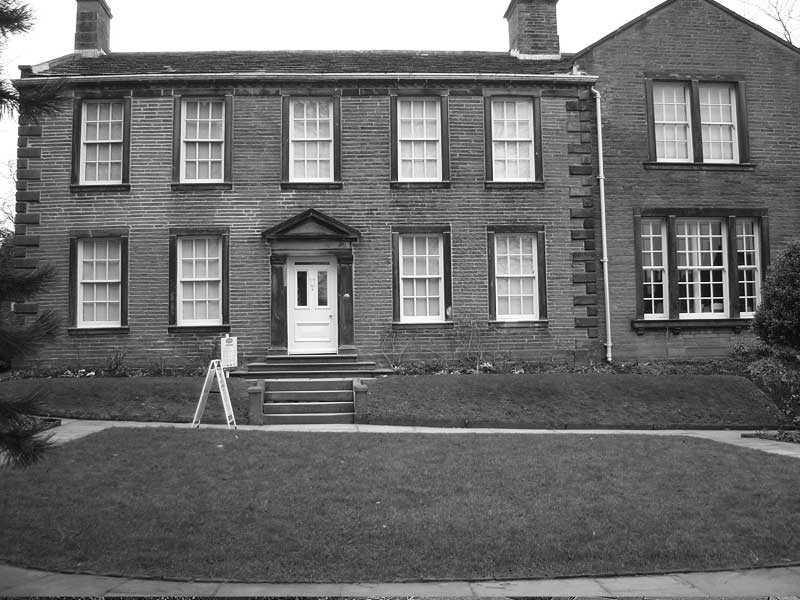
Haworth and Brontë Country
Haworth is inseparable from Charlotte, Emily and Anne Bronte, who lived at the Parsonage beside the church. Their novels made the surrounding moorland part of the world’s literary imagination.
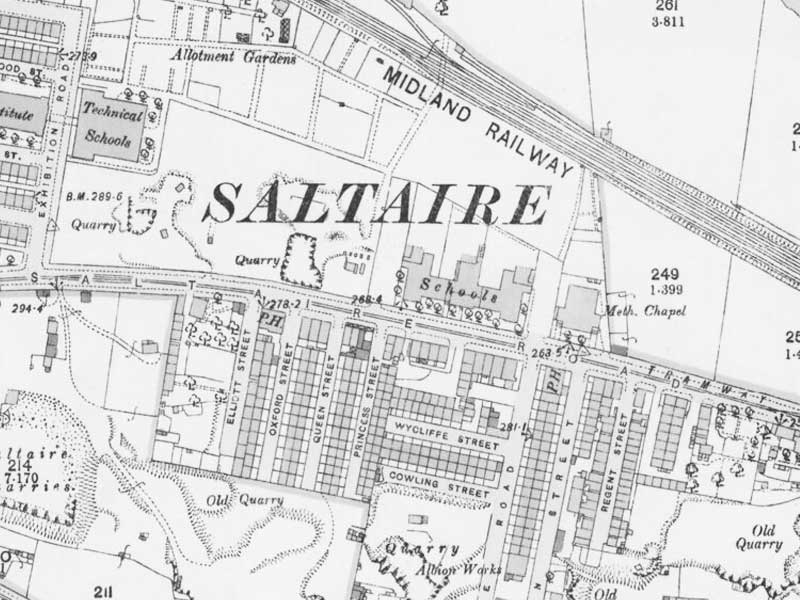
Saltaire
Sir Titus Salt created Saltaire in the mid-19th century around Salts Mill as a planned industrial community. The mill, workers’ housing and civic buildings survive with unusual completeness and form a UNESCO World Heritage Site.
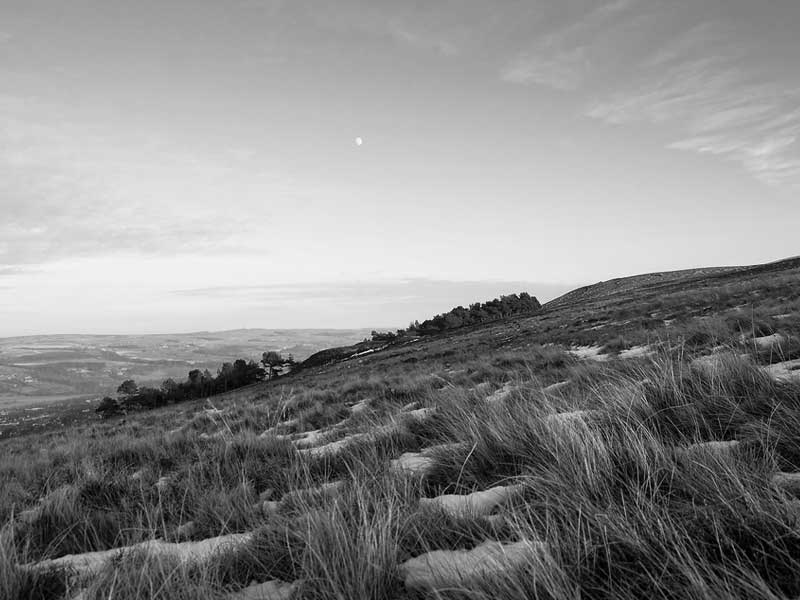
Ilkley & the Cow and Calf
Ilkley grew as a Victorian spa town beneath Ilkley Moor. The Cow and Calf are prominent gritstone outcrops and among the best-known natural landmarks on the moor.
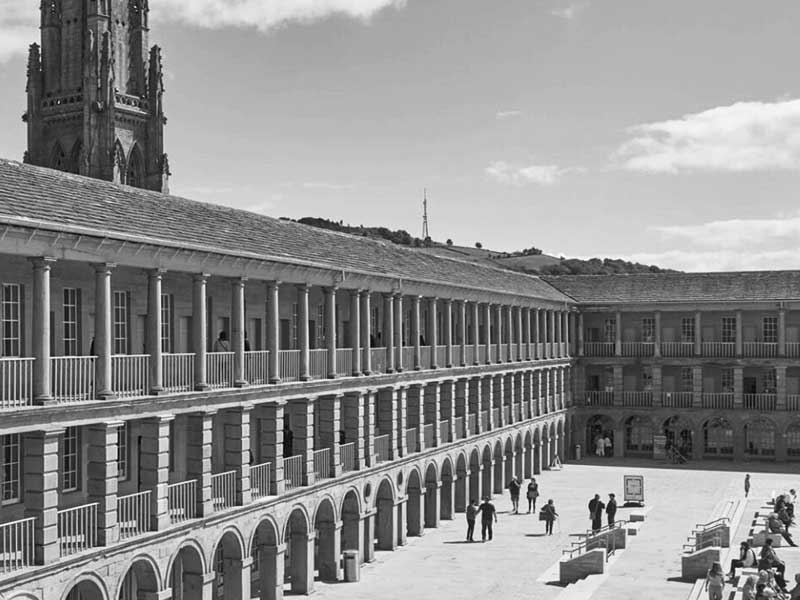
Halifax & The Piece Hall
Halifax was one of the great West Riding textile towns. The Piece Hall opened in 1779 as a market for handwoven woollen cloth and survives as an exceptional Georgian commercial building.
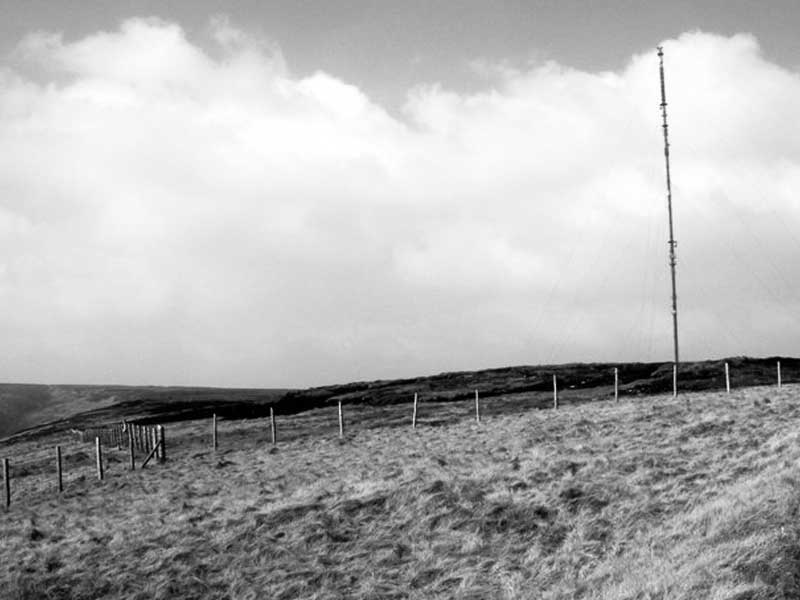
Holmfirth & the Holme Valley
A Pennine town shaped by textile industry and steep valley geography, later internationally recognised as the setting for Last of the Summer Wine. Reservoirs and moorland rise quickly around the town.
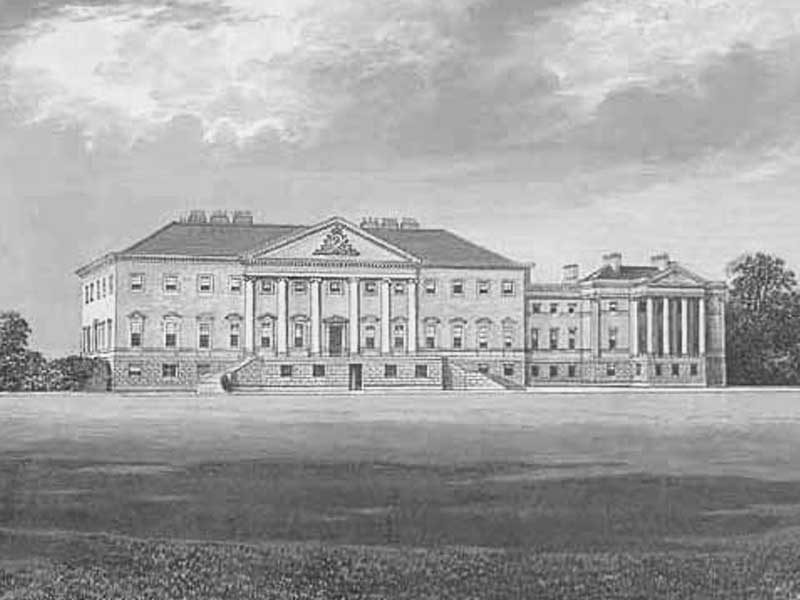
Nostell
The present Palladian house was developed by the Winn family from the 18th century on the site of an Augustinian priory. Its interiors involved James Paine and Robert Adam, and its collection is famous for Thomas Chippendale furniture.
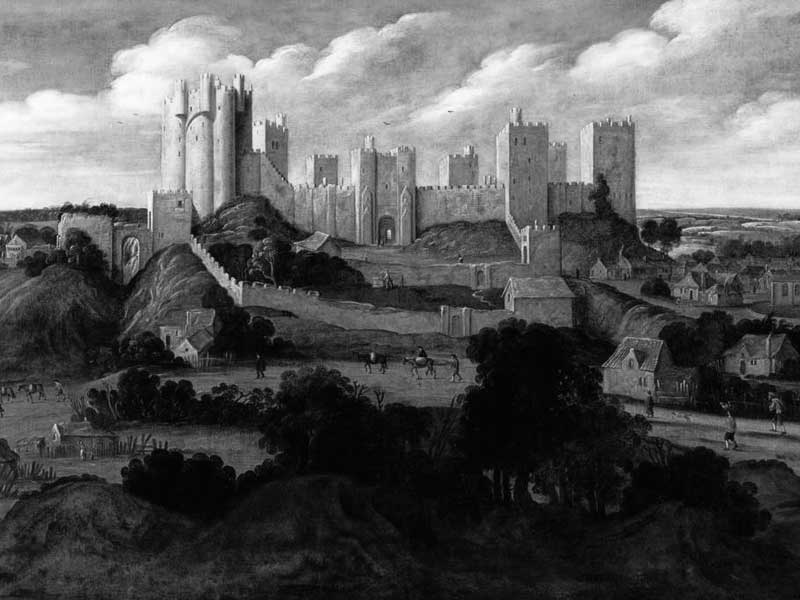
Pontefract Castle
A major Norman and later royal fortress, commanding routes through Yorkshire. Richard II was held there and died in 1400. The castle was repeatedly involved in national conflicts, including the Wars of the Roses and Civil War.
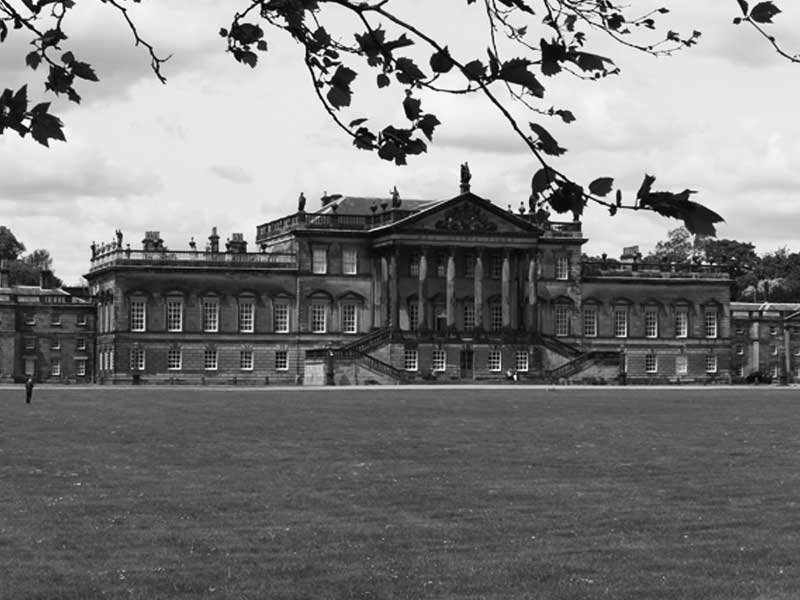
Wentworth Woodhouse
One of Britain’s grandest country houses, developed principally in the 18th century. Its immense Palladian east front and surrounding estate express aristocratic wealth, while later coal extraction created a striking contrast between country-house and industrial Yorkshire.
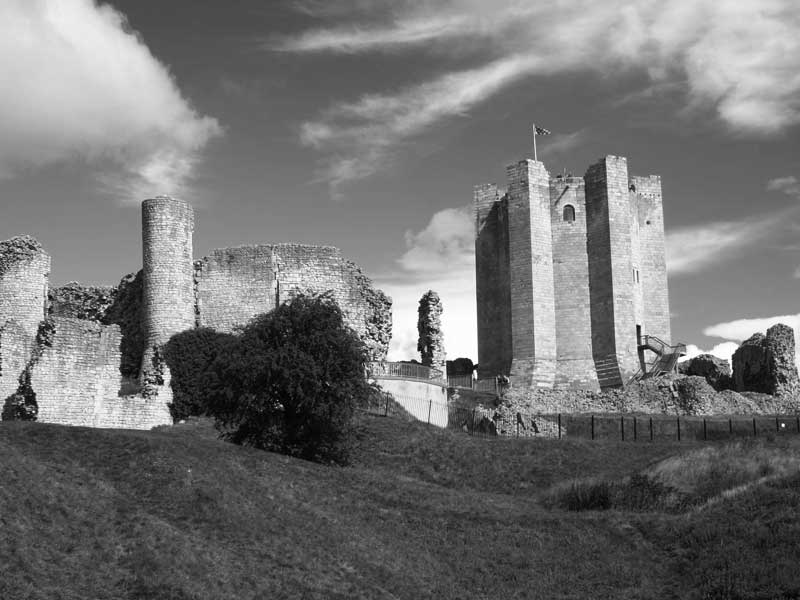
Conisbrough Castle
A great Norman lordship whose remarkable circular keep was probably built in the 1170s or 1180s. The keep escaped Civil War destruction and later inspired Sir Walter Scott’s Ivanhoe.
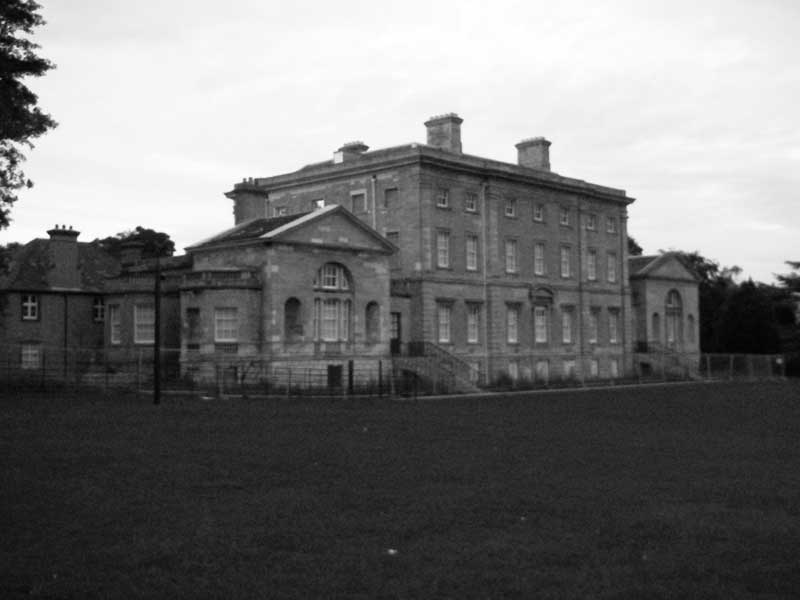
Cusworth Hall
A Georgian country house and landscaped park overlooking Doncaster, developed in the 18th century. Its elevated setting, lakes and park make the designed landscape especially legible from the air.
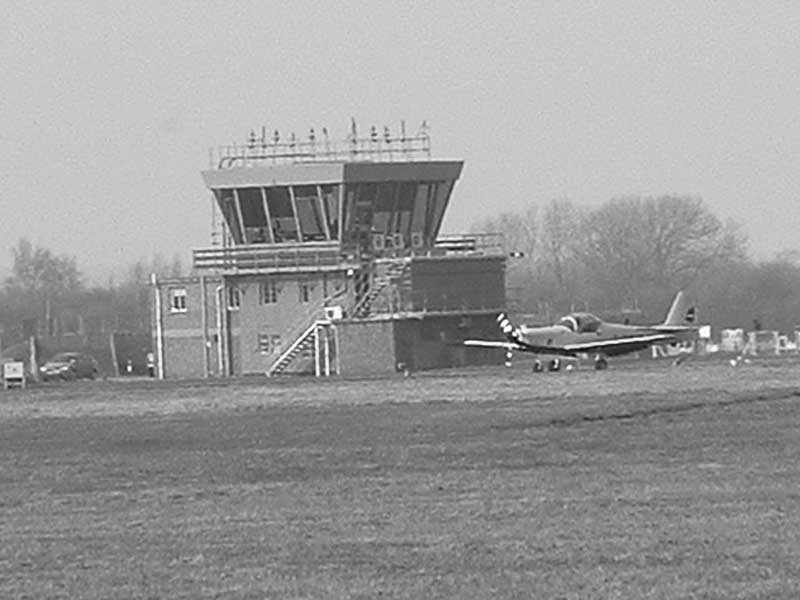
RAF Church Fenton
Opened on 1 April 1937 as a purpose-built fighter station in the RAF expansion programme. Its role was to help defend the industrial regions of Leeds, Bradford, Sheffield and Humberside; Sherburn served as one of its scatter fields.
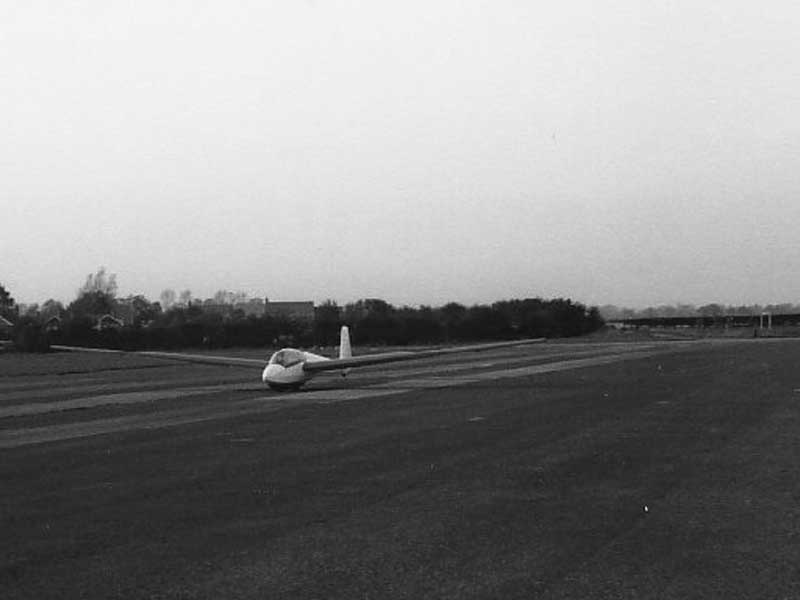
RAF Rufforth
wartime airfield west of York, opened during the expansion of Bomber Command and later used for training. Its surviving runways and airfield pattern are representative of the vast wartime airfield-building programme.
Reporting for Duty
Reporting for Duty
Book Your Flight Experience
Simply complete and submit the form below and we’ll contact you with all of the details and information that you will need. You can also call us on 01484 705 258.